Architecture

India!

We’ve finally made our way to India. It’s been on our list of places to visit for quite a while, and now we’re here. We arrived on December 8th in Kolkata (Calcutta) after traveling for a few weeks in Thailand. There was no specific reason for choosing Kolkata as our starting point, other than the fact that Air Asia flies from Bangkok, Thailand to either Kolkata or Chennai. After some quick online research, Kolkata won. So, this posting is all about Kolkata.

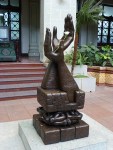
One of the Hindu statues at the India Museum in Kolkata.

Hindu statue on display at the India Museum in Kolkata.

The experience of India actually started before we even arrived, and even before we left Thailand. The flight from Thailand to India included mostly Indians on the flight, which is to be expected. And with them came a bit of the Indian culture. As is commonly known, India has a large population, about 1.2 billion people. And in many places the population density is very high. According to the 2011 census, the population density of Kolkata was around 69,000 people per square mile. For comparison, in 2011, New York City had a population density of around 27,000 people per square mile and Boston was around 12,750 people per square mile. We’ve come to realize that this density can create competition for space.

This competition for space appeared on our fight to Kolkata. As soon as it was announced that boarding of the plane would begin, people dashed to the doorway leading to the buses that were to take us to the airplane parked elsewhere. Now, out of fairness, this happens at airports in the U.S. and other places we’ve traveled, though, to a lesser degree. People were jockeying for position, cutting the line, and there was a general sense of panic and anxiety in the air. It was clear that the folks at Air Asia on this particular flight were used to this and sent people away from the front of the line. At which point they cut in other sections of the line.

Passports and Visas had to be checked, so the line moved at a little slower than the boarding of most flights, but still a totally acceptable pace. As we waited in line, a couple of men directly behind us were outwardly troubled by the slow pace of the line. They were moving side to side trying to catch a glimpse of the front of the line, maybe trying to figure out what was taking so long. They sighed anxiously every 15 seconds or so, while bumping into my and Sarah’s backpacks almost constantly. Other travelers we met before India warned us that line cutting was common place in India and that you had to hold your ground in order not to lose your place in line. So Sarah and I gave gentle, yet obvious nudges backwards to make them aware of their encroachment.

Throughout the ordeal we couldn’t help but laugh out loud. Once I had reached the front of the line one of the two men made a last ditch effort to make it to the front of a second line parallel to ours. He was quickly rejected and sent back to his place in the other line. I finally asked the men what they were worried about and commented that the plane wasn’t going to leave without us and the 40 other people still waiting in line behind us. One of the men chuckled because he knew it to be true, yet, their anxiety persisted.

After our visas and passports were checked we boarded the buses that would transport us to the airplane. The frantic atmosphere was present there as well. People refused to give up their positions closest to the door, making it hard for others to enter the bus and make their way to empty space. Once the bus reached the airplane, everyone hurried to the side of the bus that was closest to the stairs leading to the entrance of the plane. The doors opened and people squeezed their way through and  then wedged themselves in front of others at the bottom of the stairs. There was still more jockeying for position on the stairs. Sarah and I got a little joy out of creating a human barrier, blocking anyone from passing us.

Once we were on the plane it became apparent why there was so much competition for line placement. Many of the passengers had purchased duty free items and wanted to ensure they had a place in the overhead storage compartments. There was a small group of men that had far more bags than was allowed and took up more overhead compartment space than you’re supposed to. Even without the fight for luggage space, many people had a hurried pace for no apparent reason. All the while, the flight attendants were clearly frustrated, and at times appeared to take their frustrations out by aggressively jamming luggage into the overhead compartments. Luckily, we found space for our bags near our seats, though, not above our seats where they’re supposed to go.

And that was our introduction to India.

After arriving at the Kolkata airport, we had to take a taxi to a hotel we picked out of the guidebook. We were told by a security guard that there were metered taxis outside. So we tracked down a taxi driver who claimed he had a meter. I was skeptical from the get go and once arriving at his car refused to enter until he showed me the meter. He pointed to a very old analogue gauge of some sort, clearly not resembling any kind of meter for tracking the cost of fare. So I said to him, “that’s not a meter”, to which we agreed and then quoted us a ridiculously high fare, 850 Rupees ($16). I’d read on a recent trip adviser posting that the fare should run around 220 Rupees ($4). So we walked away from his cab as he tried to negotiate price, all the while refusing his still too high quotes. The same trip adviser posting mentioned that there was a prepaid taxi. So we walked, carrying our large and small backpacks, surrounded by 5-8 taxi drivers all vying for our business until we found the prepaid taxi booth. We paid the 250 Rupee rate and finally got a taxi to the hotel.

The hotel we stayed at appeared to be a building from the British colonial era. It had an old style lift and a nice classic feel to it. There were bell boys on every floor, always trying to find a way to serve you. We’d read about this ahead of time and always politely told them “no thanks”. They were eager to serve solely in an attempt to receive a tip. We’re budget travelers, so tipping is something we avoid when at all possible. The room we stayed in cost enough, so paying for a service we didn’t want was not going to happen.

The old style lift in the hotel.
The old style lift in the hotel.

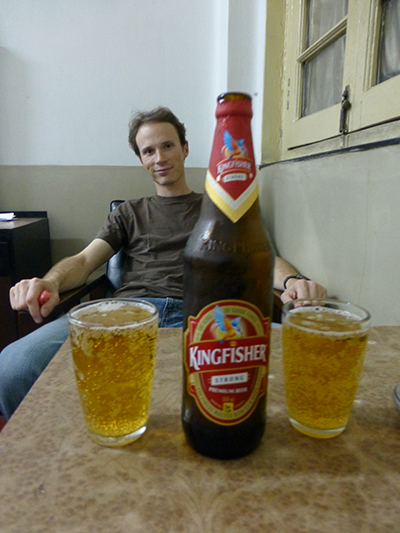
It's become a custom to have a beer our first night in a new place.

It’s become a custom to have a beer our first night in a new place.

The room at Hotel Broadway we stayed in.

The room at Hotel Broadway we stayed in.

Our first official meal in India. We started off with Pakora (deep fried veggies). Yum!

Our first official meal in India. We started off with Pakora (deep fried veggies). Yum!

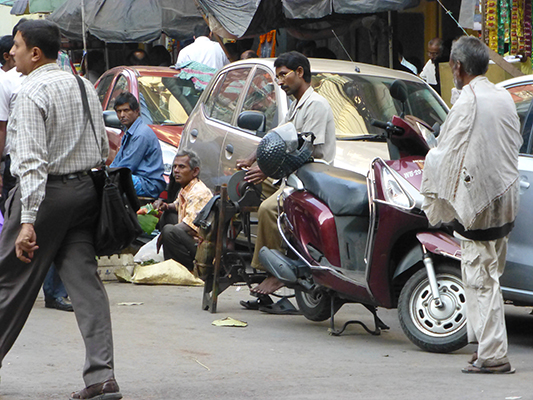
We soon found out that bell boys weren’t the only people wanting money. We were either asked for money directly, or given a service we didn’t want and then asked for money, somewhere in the range of 40-50 times during our three days in Kolkata. Some of these were vendors that approached us in the street asking us to visit their “shop”. The conversation always starts with “where are you from?”. Unfortunately, we’ve had to resort to outwardly saying to people after hearing this question, “we don’t want anything”. So far, this only seems to be a problem in areas that tourists frequent.

Our first night out we walked from our hotel to the tourist area near Sudder St and Park St. We threw ourselves head first into the sea of people and the madness of the street traffic. Crossing the streets in Kolkata was the most challenging and scariest we’ve experienced so far. The best tactic is to join others in a critical mass until you can block the flow of traffic.

This sort of captures how congested the roads are.

This sort of captures how congested the roads are.

An easier way to navigate the city was to take the train. The train line runs past most of the areas we wanted to see during our visit so we took it often. A train ride usually cost us around 4 rs ($0.08) per person per ride. Not bad. As can be imagined, the train got pretty packed at times. On especially crowded rides we had to join the other riders in jamming ourselves into the already packed train cars. The crowd becomes a huge moving mass of people.
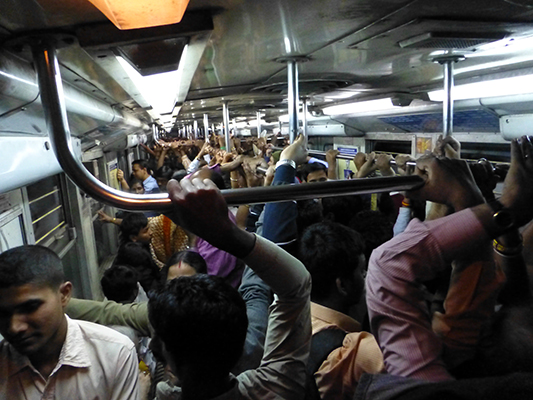
Kolkata city train

Kolkata city train

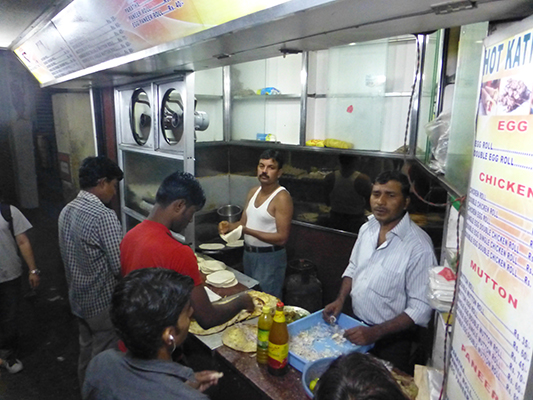
The first night out we discovered Kathi rolls. Think buttered burrito tortilla filled with Indian food. They became a staple food for us because of their low price, around 15 – 45 rs ($0.30 – $0.85) per roll. One roll was sufficient for a meal. The fillings that we tried were paneer (cheese with the consistency of tofu), chicken, vegetables, egg, and combinations of any of those, all with Indian spices. They were a little on the greasy side but very delicious.

Our first Kathi rolls. One chicken and one paneer, both with veggies and spices.
Our first Kathi rolls. One chicken and one paneer, both with veggies and spices.

The master Kathi chefs. The youngest guy on the left rolled the dough into flat circles Then the guy in the back fried the dough and also cooked the fillings on the huge concave frying pan. Next the guy in red filled the fried wraps. The fella in the foreground took orders  and money, and then passed out the goods. Very efficient operation.

The master Kathi chefs. The youngest guy on the left rolled the dough into flat circles Then the guy in the back fried the dough and also cooked the fillings on the huge concave frying pan. Next the guy in red filled the fried wraps. The fella in the foreground took orders and money, and then passed out the goods. Very efficient operation.

Not surprisingly, one of the reasons we were excited to visit India was because of the food. There was plenty to try in Kolkata.
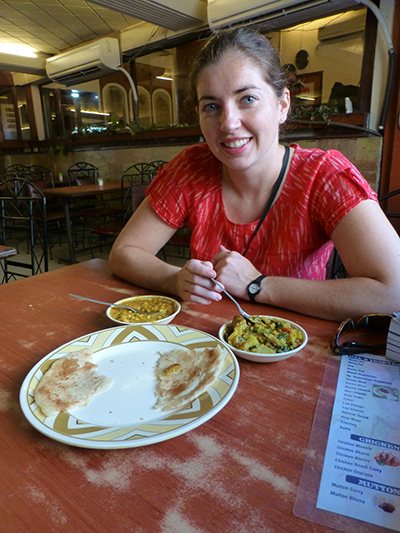
Breakfast a Radhuni. Lentils and vegetable curry with Chapati bread.

Breakfast a Radhuni. Lentils and vegetable curry with Chapati bread.
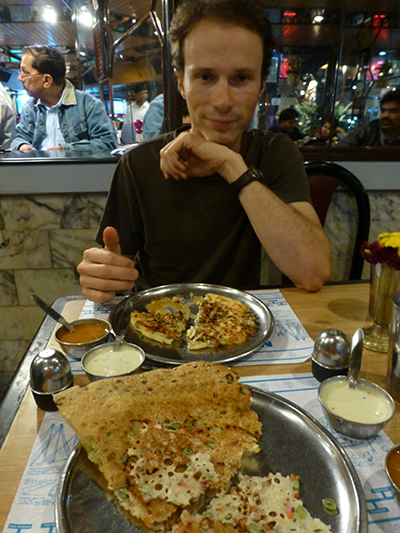
Breakfast a Radhuni. Lentils and vegetable curry with Chapati bread.

Breakfast a Radhuni. Lentils and vegetable curry with Chapati bread.

Vegetable dosa (pancake with veggies)

Vegetable dosa (pancake with veggies)

Momos from a food cart.

Momos from a food cart.

Paying the bill at the momo cart. Five momos and a small bowl of soup cost 15 rupees ($0.30).

Paying the bill at the momo cart. Five momos and a small bowl of soup cost 15 rupees ($0.30).

We didn't try any of this fruit, but the sidewalks were filled with guys like this selling all kinds of Indian foods.
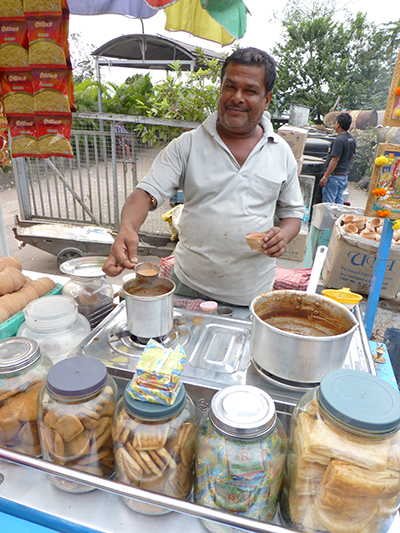
We didn’t try any of this fruit, but the sidewalks were filled with guys like this selling all kinds of Indian foods.

Chai stands were ubiquitous.

Chai stands were ubiquitous.

Some of the chai stands used disposable clay cups instead of plastic. This is good because there was lots of plastic litter everywhere. Some food carts also used bowls made of dry leaves.

Some of the chai stands used disposable clay cups instead of plastic. This is good because there was lots of plastic litter everywhere. Some food carts also used bowls made of dry leaves.

Close up of the clay cup filled with chai.
Close up of the clay cup filled with chai.

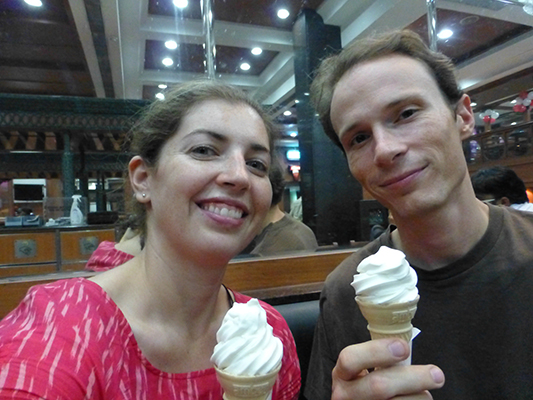
And of course we found McDonald's soft serve ice cream.

And of course we found McDonald’s soft serve ice cream.

Kolkata was the British era capital and is full of architecture and some monuments from that era. One of the most impressive monuments is the Victoria Monument, built in honor of Queen Victoria.
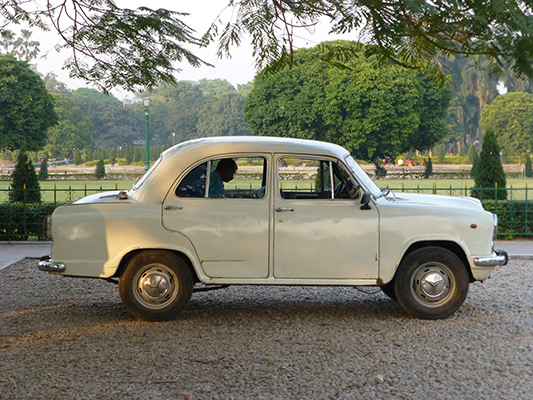
Police car parked outside of the monument. Kolkata was full of this exact car, used as taxis, private cars and police cars.

Police car parked outside of the monument. Kolkata was full of this exact car, used as taxis, private cars and police cars.

Back of Victoria Monument.
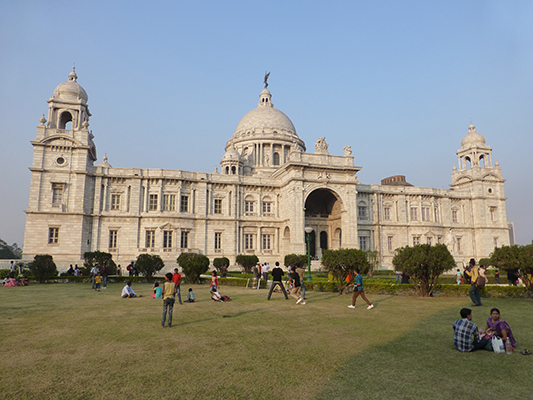
Back of Victoria Monument.

Back of Victoria Monument.

Families use the grounds around the monument as a picnic area and to the escape the hectic city.

Statue of Edward the VII.
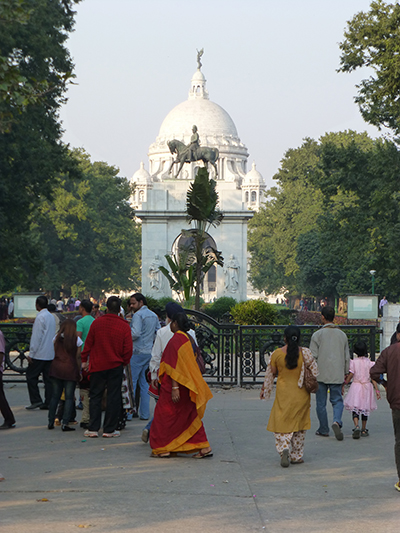
Statue of Edward the VII.

Entrance to Victoria Monument.

Entrance to Victoria Monument.

The crowd of people entering and exiting the monument. There were so many people that a tour of the monument meant walking in a fast moving crowd/line through the monument from start to finish.

The crowd of people entering and exiting the monument. There were so many people that a tour of the monument meant walking in a fast moving crowd/line through the monument from start to finish.

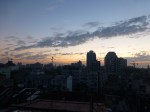
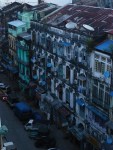
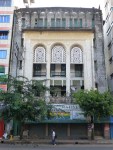
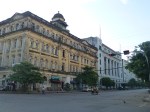
While trying to buy train tickets to our next destination we walked through what used to be the business district of British era Kolkata. The buildings have held up pretty well and seem to be heavily used to this day.

P1060733 P1060734

This guy is sharpening knives on a peddle powered sharpening wheel.

This guy is sharpening knives on a peddle powered sharpening wheel.

P1060930 P1060934

Trolley system still running in parts of the city.

Trolley system still running in parts of the city.

Central A/C.

Central A/C.

Would you buy insurance from these guys?
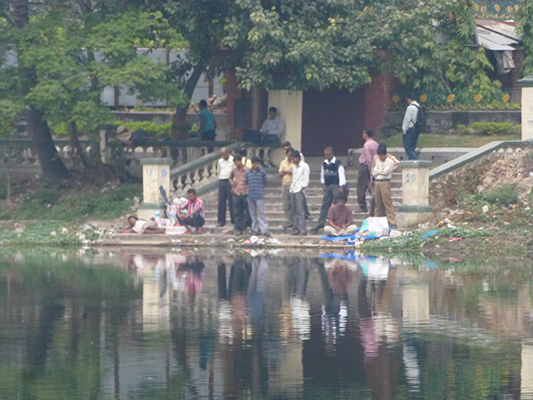
Would you buy insurance from these guys?

Small lake in the old business district.

Small lake in the old business district.

You figure it out.

You figure it out.

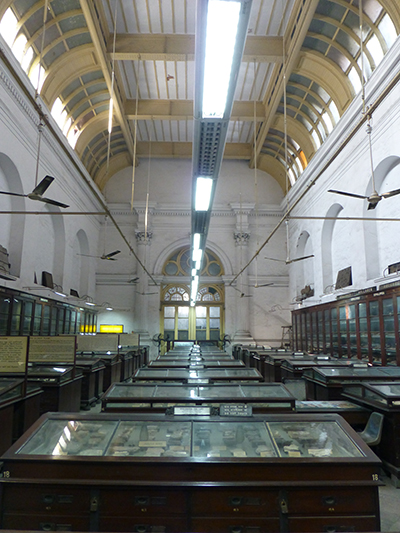
The Indian Museum was founded in 1814 and is a huge old building housing some amazing artifacts, ranging from fossils to ancient Hindu stone carvings. We spent the better part of a day exploring the museum and waiting for some of the exhibits to open. Aside from the artifacts, the building and old display cabinets were reason enough to visit the museum. It felt like we’d traveled back in time.

A couple hours after opening the museum really started to fill up.

A couple hours after opening the museum really started to fill up.

175th Anniversary plaque.

175th Anniversary plaque.

Queen Victoria statue.

Queen Victoria statue.

Museum hallway.
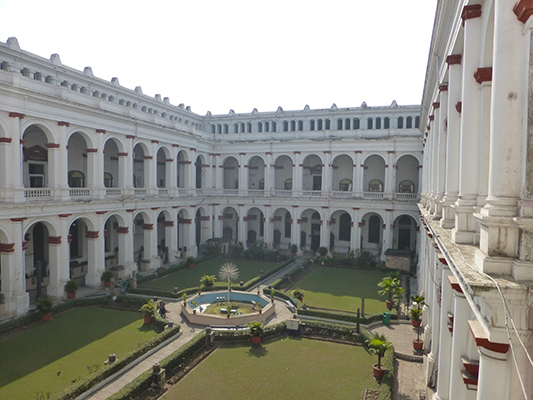
Museum hallway.

Museum courtyard.

Museum courtyard.

Giant deer.

Giant deer.

One of the exhibit halls.

One of the exhibit halls.

Beautiful old display cabinets.

Beautiful old display cabinets.

It looked like many of the exhibits had been locked up for decades. Many artifacts were covered in a thick layer of dust.

It looked like many of the exhibits had been locked up for decades. Many artifacts were covered in a thick layer of dust.

Some of the exhibits were unfortunately closed.

Some of the exhibits were unfortunately closed.

Human fetus.

Human fetus.

Eight legged lamb.

Eight legged lamb.

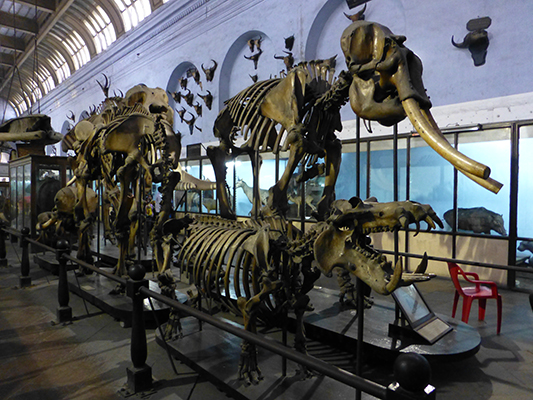
Hippo and Asian Elephant skeletons.

Hippo and Asian Elephant skeletons.

After finding the foreign ticket office and bringing the correct documentation, we bought our tickets and made are way to Darjeeling by train. This was our first experience with the train system in India. According to our guide book, the Indian rail system is the largest employer in the world with roughly 1.5 million workers, and transports around 20 million people everyday. Wow!

Being our first experience with the train in India we didn’t know what to expect. The station in Kolkata is huge and was filled with hundreds, maybe thousands of people. Similar to our experience on the flight to India, the train station was a frenetic place with people running back and forth every few minutes or so as platform numbers were announced. Each platform was full of people, luggage, and tons of cargo. As is common in densely populated areas in India, the smell of urine and feces was in the air. There were dogs everyone, food venders, and men moving cargo bag and forth from platform to platform. While waiting for our train we got to experience many more of the curious stares from Indians we’ve come to accept. Suffice to say, it was an exciting, slightly overwhelming experience.

The train ride itself went off without a hitch and we arrived in Darjeeling the next day. There were a few more surprises though. Many beggars, people giving blessings and asking for merit/payment in return, and what I can only describe as rude gypsies clapping loudly in your face and then expecting some money in return passed through the train several times. This gave us more practice at saying “No” in an even more convincing manner. All in all an interesting experience to say the least.
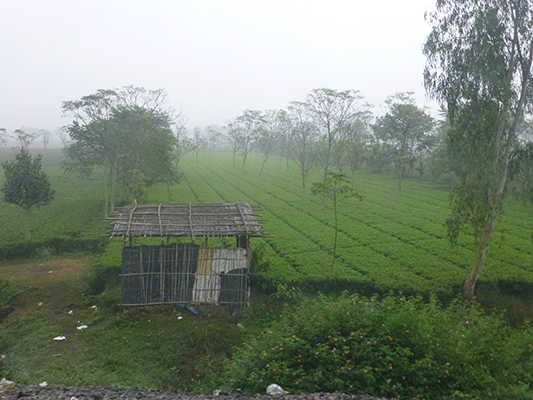
One of the many farms we saw during our ride to Darjeeling.

One of the many farms we saw during our ride to Darjeeling.

There was no need to buy the more expensive A/C train tickets since the temperature was plenty cold.

There was no need to buy the more expensive A/C train tickets since the temperature was plenty cold.

The sleeper car we stayed in. The Foreign ticket office worker reserved us the two bunks on the right, as opposed to the six grouped together on the left, stacked three high.

The sleeper car we stayed in. The Foreign ticket office worker reserved us the two bunks on the right, as opposed to the six grouped together on the left, stacked three high.

The train platform in Kolkata. Of course, people were eager to enter the train to get to their ASSIGNED SEATS!
The train platform in Kolkata. Of course, people were eager to enter the train to get to their ASSIGNED SEATS!

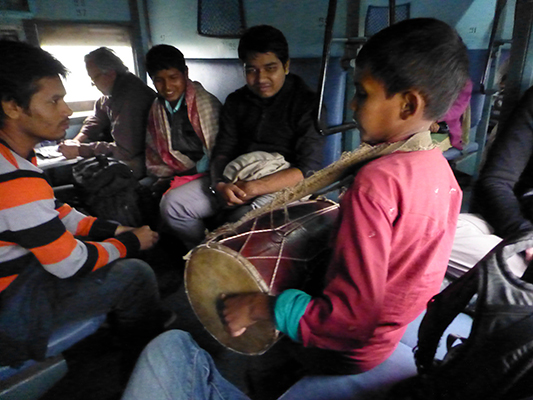
This young guy came through our train car to sing and drum in an effort to earn a little money. It worked.

This young guy came through our train car to sing and drum in an effort to earn a little money. It worked.

Kolkata was a great introduction to India. It gave us a taste of some of the many characteristics of the country. That said, I’m sure there’s much more to experience.
Categories: Architecture, Cities, South East Asia, Traveling | Tags: , , , , , | Leave a comment

Myanmar: Sorry we couldn’t stay longer

After our few week visit back home in the U.S., we decided to use the extra time we gained by leaving South America early to pay a visit to Myanmar (Burma). When discussing travel through Southeast Asia we had tossed around the idea of visiting the country but it had been pretty low on the list of countries to see in the area. The low placement wasn’t really based on much, because we honestly knew little about Myanmar. But what we did know wasn’t very good.

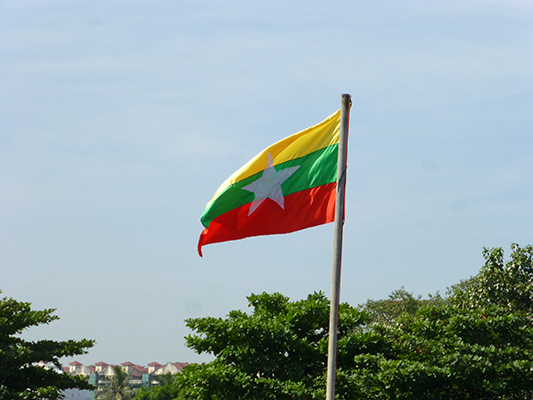
Myanmar flag flown in Yangon, the old capital city.

Myanmar, or Burma as it’s officially called by the U.S. government, has a pretty bad rap sheet for human rights violations over the past few decades and has only recently opened up to tourism. Don’t quote me on this, but I think it has the record for the longest consecutive years ruled by a military government, something around 50 years or so. Because of sanctions placed against the country for the government’s human rights violations it has been shut off from the rest of the world in a lot of ways. The guidebook we used (Lonely Planet) described it as not having changed much since its days as a British colony. It gained independence from England in 1947.

So we were pretty curious to see a place that supposedly hadn’t changed much in over 50 years and hasn’t seen tourism on a large scale for some time, if ever. We didn’t know what to expect. We did a little research online about Myanmar’s history and the logistics of entering and traveling the country and then we were off.

Through our research we found out pretty quickly that traveling in Myanmar wasn’t going to be as easy as we’d experienced in Central and South America, or what we knew about other parts of Southeast Asia. For example, there are no ATM’s so you have to carry all cash that you expect to need for your entire trip. The only place to exchange for Myanmar money (Kyat) is in Myanmar. One or two hotels in the major cities give cash advances on a credit card, but with a hefty percentage charged per transaction. No businesses excepts credit cards, save the aforementioned hotels, again, with the hefty fee. All U.S. cash that you bring to Myanmar has to be pristine and no older than 2006, and if it’s not, then you get a lower exchange rate or can’t exchange it at all. The bottom line is that there isn’t much in the way of infrastructure. All of this just added to our curiosity and desire to visit the country.

First things first, we needed a visa to enter the country. During our visit home we applied for and received our India visas in about a weeks time. That’s speedy. Not the case with Myanmar. We read that we should expect a visa for Myanmar to take up to 3 weeks. That’s a long time. So we searched and found a faster route. You can get a visa for Myanmar in as little as 1 day in Bangkok, Thailand. So that’s what we opted for. We flew to Bangkok, arrived at 6 am, applied for our visas at 9 am the same day, and then picked them up the next day. Done.

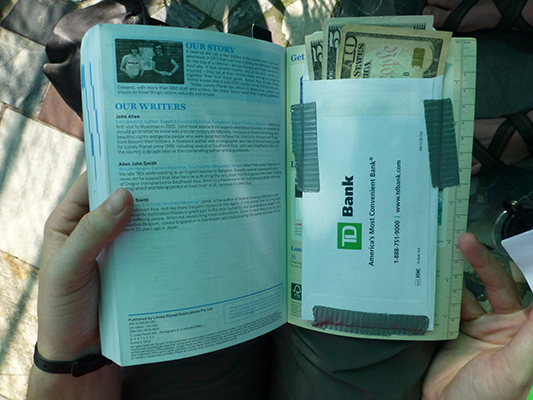
Cash was the other major challenge. Before leaving the U.S. we had to withdraw all of the cash we thought we’d need for our travels in Myanmar. Our plan was to travel for the entire length of the 28 day tourist visa. We roughly estimated what we’d need and then threw in a little extra for a buffer. Remember, there are no ATM’s. Unfortunately, we made one major mistake. We assumed that all banks carried crisp new bills all of the time. Nope. Wrong. They actually don’t like crisp new bills because they stick together and every once in a while a teller gives away free money. The only chance we had at new bills were the $20 bills in ATM’s.  ATM’s like new bills because they don’t jam the machine. So we spent several hours visiting about 6 banks on our last day in the U.S. trying to get the prettiest bills we could find in $100, $20, $10, $5, and $1 denominations. The only new bills we got were the twenties. Tellers at several of the banks were nice enough to look through there cash and pull out the best bills they could find. In the future it’d be best to inform our bank ahead of time so that they can order new bills. Whoops!

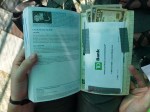
That’s not even close to all of the cash we had to carry.

This is where we stored U.S. dollars that we planned to use during our day trips to keep it flat and in good shape.

The pristine bill thing turned out not to be a huge problem. We only had a bill rejected twice. Other times we slipped in the ugliest bills we had with a shiny, spanking new $20 and had no issues. We figure they’d be distracted by the $20 bill. You may be wondering why we needed smaller denomination bills if we were only exchanging for Myanmar money. Our research told us that some places only take U.S. money or at a minimum prefer it. I think this may be changing. Many places seemed to take U.S. dollars or Kyat. In the end the cash thing wasn’t a big issue. Though, it was a little unsettling carrying that much cash around. We got a taste of what it must have been like to travel in the “old days”.

As I mentioned, we planned to travel the entire length of the 28 day tourist visa. I mean, it’s a once in a lifetime experience to travel in a place like Myanmar at a time when it’s just opening up. While that’s true, we ran into a reoccurring issue that led us to decide to leave the country earlier than planned. One thing we didn’t expect, and hadn’t come across in our research, at least not until the last minute, was the trouble we’d have finding accommodations. While in Bangkok we decided to read some online reviews about hotels listed in our guidebook. In some of the recent Trip Advisor postings reviewers mentioned the trouble they had finding a hotel. Many of the hotels were either all booked up or charging an exorbitant amount of money for very basic accommodations. So we scrambled in our last day and a half in Bangkok to email several hotels to try to reserve a room before our arrival. Luckily, we found a place. They were charging $22 a night—the cheapest we could find and much more that we wanted to pay—for a room with a window and a fan. This price was about double of what was shown in the guidebook.

We stayed a couple of nights at the “White House” hotel in Yangon. Pretty pricey at $22/night for a hot box room on the 8th floor with a sliver of a window and small fan. They had an amazing breakfast though.

We found out right away that this was the case for much of Myanmar. Unlike with our travels in Central and South America, we had to book our rooms in advance. This was a challenge because nearly all of the hotels throughout Myanmar were fully booked. We spent hours making dozens of phone calls in every city we stayed in prior to moving on to the next city to try to reserve a room. To do this we had to use local pay phones (costly) with some dropped calls and some people simply hanging up on us because we couldn’t understand one another. When we couldn’t find a room we spent even more time changing our itinerary in a way that we thought might give us time to reserve a room in the next town. We heard of other travelers arriving in a town expecting to find a room, finding nothing, and having to sleep at a bus station.
The local phone booth. The people who run them are very helpful and patient. They dial the number for you and make sure it connects. It cost anywhere from 50 to 100 Kyat per minute. That’s about $.06 to $.12 per minute.

At one point we stumbled upon the “free” services offered by the Myanmar Travel and Tourism association. They called dozens of hotels for us in the next town and found us a room. We found out later that they tacked a $7 commission onto the cost of the room without telling us. Which led to us having to convince the owner to give us a room at the $25 value that we had paid. Needless to say, we found ourselves wasting a lot of time trying to find a place to sleep instead of experiencing all that Myanmar had to offer. In addition to time, we spent way more money for the rooms than we allotted in our budget. In the end we saw about a quarter of what we wanted to see and spent only 9 days in Myanmar.

The staff and Myanmar Travel and Tour association are very helpful but forget to mention that there service comes at a charge, sometimes. They helped us and many others for free, leading us to believe they were a service set up by the government to help deal with the trouble people had finding rooms.

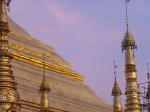
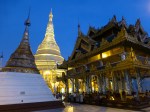
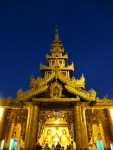
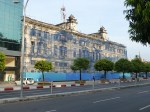
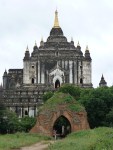
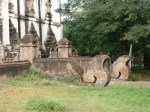
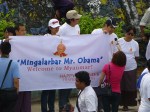
We visited the old capital city of Yangon; the two small towns of Pyay and Magwe; the Buddhist temple strewn city of Bagan; and finally, Mandalay. We were also lucky enough to be at the airport on our way to Bangkok when President Obama visited Myanmar. In the short time that we were there we saw so much. Looking back through the photos to prepare this post I felt sad that we decided to leave. I don’t regret our decision, I just wish the circumstances were different. Myanmar is an amazing place. I feel blessed to have seen it before it has changed too much. I would love to return, but by the time I do I think it will be a totally different place. You can already see the change. The hotels are scrambling to try to keep up with the demand. As tourists flock to visit the country it will change to accommodate them. That’s not a bad thing at all. In fact, there are likely plenty of folks looking forward to the economic boost that comes with tourism.

My advice to anyone wanting to visit the country in the near future is to go in the off-season, i.e. not between November and February (check guidebooks to see what they describe as the busy season.) or book your hotels in advance. My guess is that finding accommodations in the off-season will not be as difficult and you might even have room to bargain. Also, do a bit of research to see what hotels are charging. There’s a good bit of price gouging happening right now, so the guidebook price estimates are way off. Don’t expect to get what you pay for either. Many of the budget hotels are in a sad state. That said, I’d recommend a visit. The people of Myanmar are fantastic and the country is beautiful.
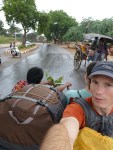
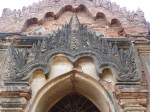
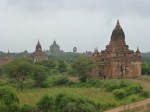
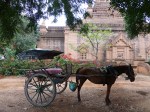
This post is already too long so I won’t display the images one at a time. Below is a gallery containing all of the images. Our WordPress them doesn’t seem to allow us to create separate Galleries, so everything is together. Sorry for the mess. Hope you enjoy.


Categories: Architecture, Cities, Ruins, South East Asia, Traveling | Tags: , , , , , | 3 Comments

Cuenca: One of the many gems of Ecuador

By the time we arrived in Cuenca we had spent a little over 3 weeks in Ecuador, by which time we had visited a handful of its cities and driven threw a dozen more. Those places shaped our view of Ecuador and allowed us to make assumptions about the next town we might visit. It’s safe to say that the city of Cuenca didn’t quite fit the mold of those other places. Cuenca and the surrounding area—especially Cajas National Park—were beautiful. Don’t get me wrong, there is an abundance of beautiful places in Ecuador, but of the places we saw, Cuenca and Cajas National Park top the list.

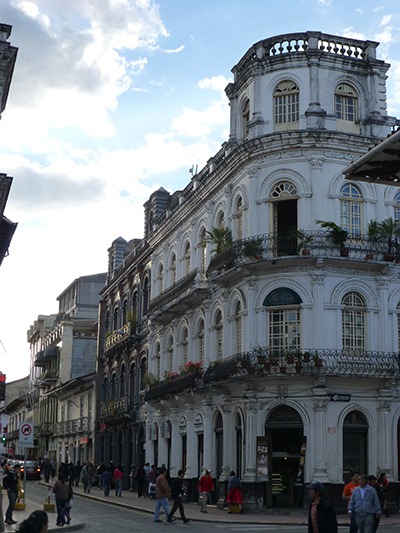
The most obvious example of this is the architecture. Most of the buildings are in good shape and nearly all of them had vibrant red/orange clay tiled roofs. Some of the streets were paved with nice stones, specifically near the town square. Though small, the town square rivals that of the capital city Quito. The overall beauty of the city, in addition to the low relative cost of living, might be part of what attracts many of the retirees from the U.S. and other wealthy countries. Cuenca has a relatively large expatriate community, somewhere around 1500 people living permanently and another 1,000 with long term visas—according to a New York Times article. It was pretty obvious too–we saw lots of gringos. But it seemed as though the expats and other visitors stuck to a small chunk of the city.

Travelers that might be turned off by the fact that it’s popular stop along the gringo trail shouldn’t be. It’s a friendly and attractive city with great historical architecture, and not to mention, the best variety of food we came across during our travels in Ecuador. The cost of our hostel wasn’t so bad either, probably because we were there just after the busy season.

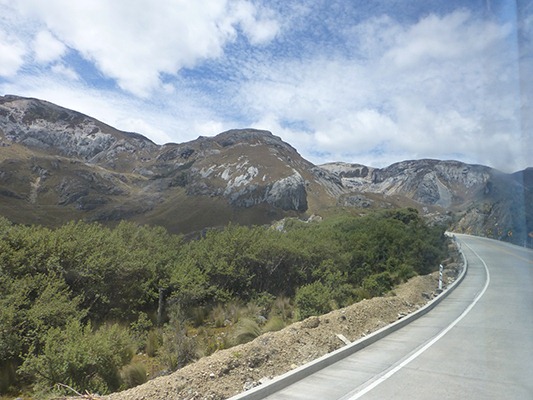
Here are some pics from our visit, as well as couple shots of the drive from Guayaquil to Cuenca through Cajas National Park. The next post will go into more detail about Cajas National Park.

Cuenca Panoramic

Drive through Cajas National Park.

A couple peaks in Cajas National Park.

The drive through Cajas National Park was spectacular. The road reminds me of the kind they use in car commercials showing a sweet sports car driving in a beautiful location on crazy windy roads.

The view from our hostel. We stayed at “Tourists of the World” hostel.

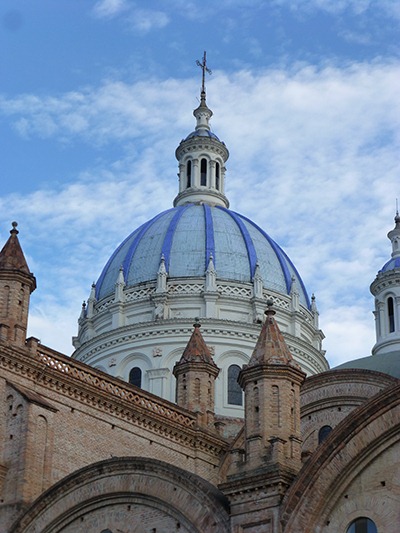
The church in the central square.

Cuenca central square.

Beautiful building near the square.

Same building, different view.

Blue dome and blue sky…awesome.

This flower market was open every day that we were there. The stalls were all run by local women.

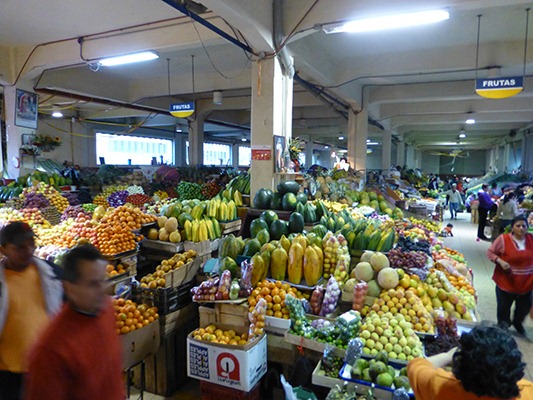
The local market where we bought most of our food. As usual we had to shop around and negotiate a bit to get the best prices. It had two levels and had pretty much everything you need. What’s interesting is that many of the towns we visit have local markets like this as well as more modern grocery stores. I wonder how long these markets will hang in there.

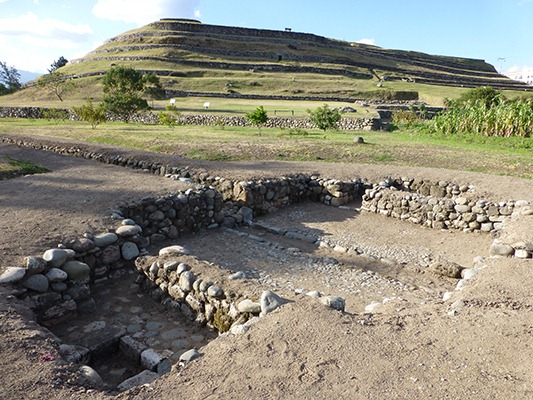
The Pumppungo site was created and occupied by groups that were part of the Incan empire. I believe the site construction dates back to the late 15th century and was later destroyed by the Spanish.

Our last night in Cuenca. This was the view from one of the balconies at our hostel.


Categories: Architecture, South America, Traveling | Tags: , , , , , | 2 Comments

Canoa, Ecuador

After working relatively hard for two weeks on the Rio Muchacho farm, we spent a well deserved couple days relaxing in the beach town of Canoa. From what we gathered, it’s known as one of Ecuador’s best beaches, if not the best, and is supposedly an up and coming town for both domestic and international tourism. Though neither of us would consider ourselves “beach people”, we had a good time there.

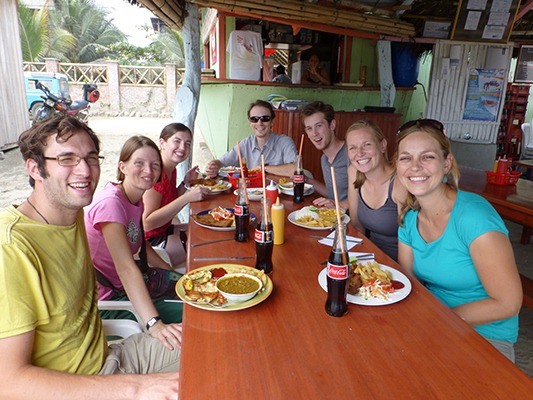
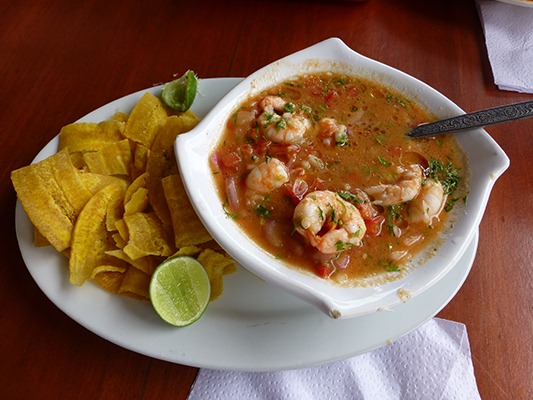
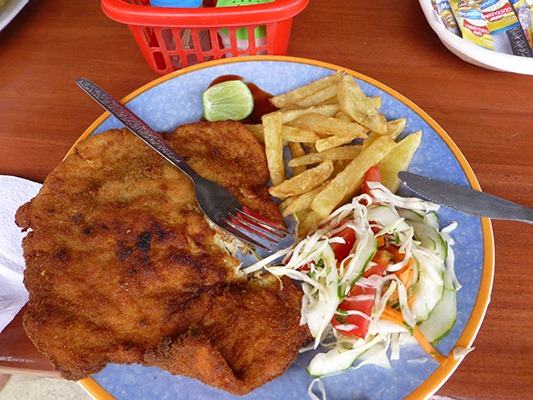
The first day and a half we spent most of our time with the friends we made on the farm. They were spending the weekend in Canoa before heading back to the farm for another week of work. First things first, we grabbed lunch at one of the beachside restaurants and indulged in some of the foods we didn’t have access to on the farm. Being near the coast there was a good selection of delicious seafood. My shrimp ceviche was excellent. Sarah doesn’t like seafood so she had some good old fashioned fried chicken and french fries. Can’t go wrong there. We topped that off with a tasty dessert drink called “Batido”, which is basically a milk shake. Instead of using a flavored syrup they use actual fruit.

At the end of the second day and after the rest of the crew headed back to the farm, Sarah and I spent the evening relaxing and walking along the main strip parallel to the beach. For our last dinner in Canoa we hit up a restaurant called “Surf Shak”, which I’m guessing was started by a U.S. expat, as it seems to be geared towards folks from the U.S. They make great pizzas and have NFL football games playing all day Sunday, both of which we enjoyed. After traveling for a while and not having access to familiar things, e.g. food, friends, places, etc., you find that you start to miss them more than you imagined. And when you suddenly have access to them again it’s very comforting to indulge a bit. Pizza and football were two of those indulgences.

Our time in Canoa allowed us to spend a little more time with our new friends and to rest a bit before heading further south through Ecuador. It was definitely time well spent. Here our some pictures from our short two day visit.

Tomas and Steffi (Germany), Sarah and Dave (you know us), Zach and Erin (Seattle, Washington), and Conny (Switzerland) grabbing lunch on the Canoa beach.

Shrimp Ceviche and plantain chips. Very good.

Sarah’s fried chicken and fries. The salad was left untouched to avoid any foreign bacteria.

Paraglider flying low along the beach.

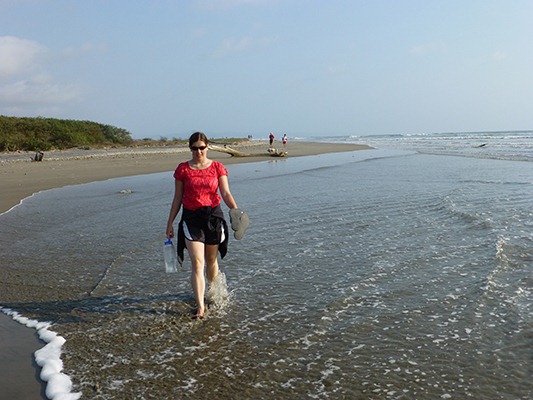
Sarah enjoying a walk along the beach. The beach here is very large, especially during low tide.  Also worth mentioning is that it’s pretty clean. This is noteworthy because litter is a big problem in many of the places we’ve visited in Central and South America.  One of the local restaurants offers a free margarita if you collect a full bag of trash.

Zach and Erin pumping iron/concrete on the beach.

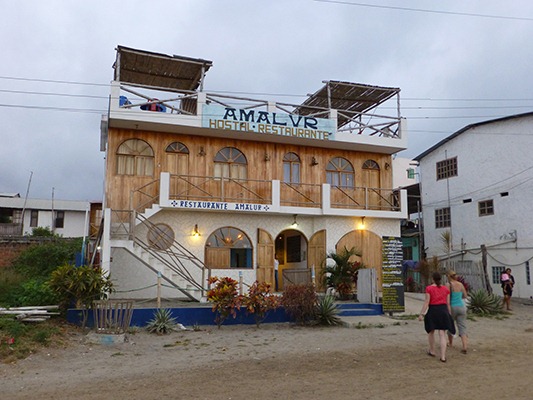
The hostel we stayed at–Amalur. Owned by a couple from Spain. Really nice place but maybe a bit above of our typical price range.

Sarah keeping safe from the mosquitos.

A morning walk with Erin and Zach a little further down the beach during low tide. Canoa really does have a beautiful beach.

Our go-to lunch food–bread, banana, and peanut butter–to save money and good for long bus rides. In Canoa the peanut butter was $1 per handful–a very accurate unit of measure. I love that the bread says “Molde”.

Ecuadorian volleyball should be considered a close cousin of the volleyball we’re used to seeing in the States. There’s a lot of holding and tossing of the ball. Sort of seems like cheating.

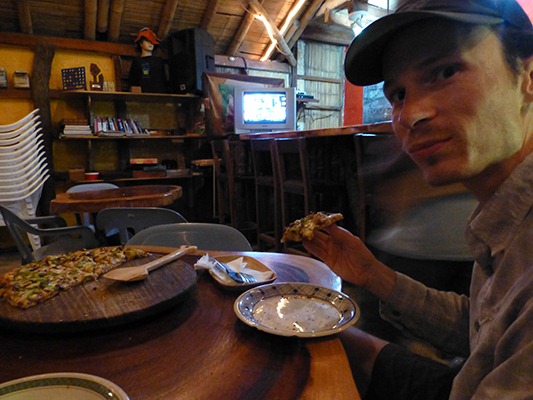
Pizza and NFL football at the Surf Shak. So good. 

Categories: Architecture, South America | Tags: , , , , , | Leave a comment

Quito, Ecuador

It’s been a few weeks or so since our last posting and our departure from Guatemala. From Guatemala we flew directly to Quito, Ecuador and have been very busy since our arrival—too busy to post on the blog. While in Quito we spent a couple of days exploring the city itself and also used it as a hub for exploring other nearby cities and sites. This post will solely describe some of what we saw while touring Quito. A couple other postings will follow describing some of our excursions to nearby places, i.e. Otavalo, Baños, and Cotopaxi National Park.

Let’s first get our bearings. We just left the country of Guatemala, which located in Central America just south of Mexico. Ecuador—where the city of Quito is located—is in the northwest part of the continent of South America, just below Colombia. Quito, the capital city of Ecuador, is 25km (15.5 miles) south of the equator. My basic understanding of Ecuador is that it has three distinct regions: the coastal region west of the Andes Mountains; the central region located in the highlands of the Andes Mountains—where Quito resides; and the Amazonian region on the east side of the Andes Mountains, where the rain forest is located. For such a small country it has a great variety of climates as well as activities.

Being so close to the equator one assumes that Quito would be a very hot place. We’ve been told that the Amazon region to the east can get pretty warm. But Quito is located in the central highlands of the Andes at an elevation of about 2840 meters, or roughly 9300 feet. That elevation makes for a much cooler climate, which is fine by us. During our time there I estimate that the temperatures hovered around the mid 70’s during the day and got a bit chilly in the evenings. The temperatures are similar to early Fall temperatures in New England.

Quito Panoramic_02

Panoramic of Quito from Itchimbia viewpoint

As you can see from the picture above, Quito is a densely populated city at around 1,700,000 people. It definitely had a big city feel but only felt overwhelming when cramming onto the public buses during peak hours. The city sits in a valley flanked by Pinchincha Volcano (4794 m) on its west side. It’s easily walkable and has a great public transportation system, which we used often in the city and for our excursions outside of the city. Public buses within the city cost only $0.25 per ride. We were told by our couchsurfing host, Sebas, that fuel is subsidized in Ecuador, making for pretty cheap transportation all around, i.e. buses, taxis and personal vehicles.
One big reason we had such a great time in and around Quito was because of our couchsurfing host Sebas. He was recommended to us by a fella we hosted at our place in Massachusetts a few times, Dick Schroth. Dick stayed with Sebas in Portsmouth, NH and in Quito. We stayed with Sebas and his mother, Silvia, for almost an entire week and they were excellent hosts. Sebas seemed to make it his personal mission while we were there to ensure that we had plenty to do and were supplied with the best information for how to get from place to place. We’ve yet to be disappointed with our couchsurfing experiences. It’s our opinion that they have provided us with a much richer experience than we would have otherwise had. Thanks so much Sebas! We had a great time!

P1010403

Our couchsurfing host Sebas and me (Dave) enjoying a very popular Pilsener brand beverage. Cheers 🙂

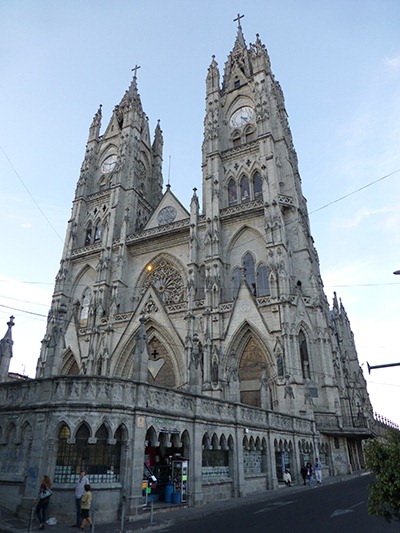
My favorite part of the city was by far Centro Historico, or Historical Center. Supposedly, it has some of the best preserved colonial architecture in South America. Some of the buildings were built as early as the 1550s. That’s pretty old for new world architecture.

P1010216

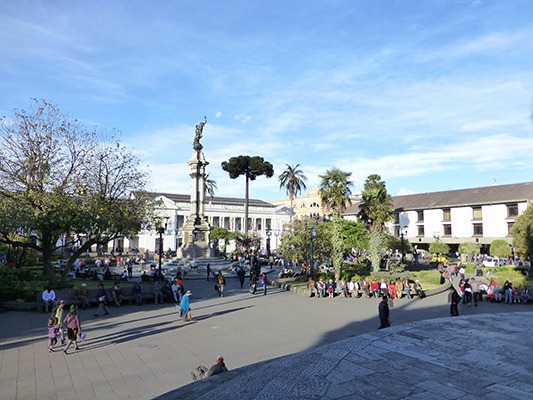
Independence Plaza

P1010231

La Compania

P1010248

On our way to La Basilica

P1010254

Outside of La Basilica

P1010274

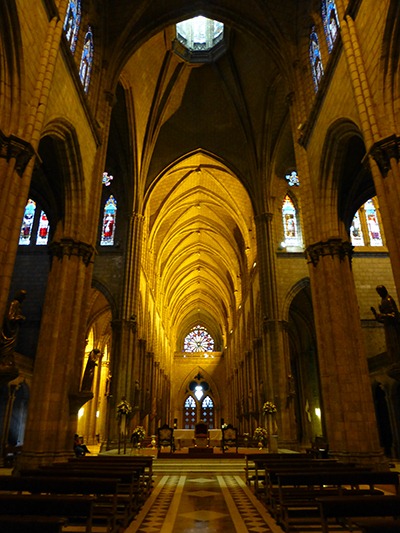
Inside of La Basilica

Sebas and Sarah near one of he recently restored areas of the Colonial Center.

P1010363

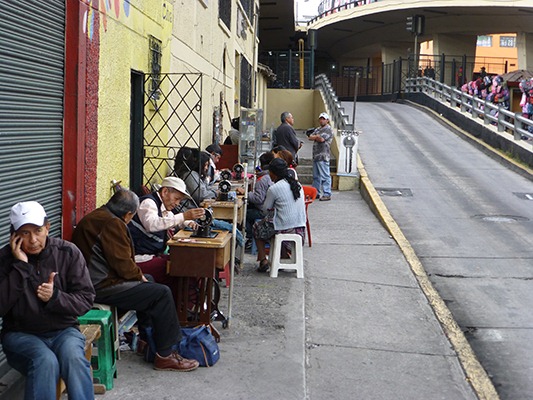
Sidewalk alterations while you wait. Sweet.

P1010402

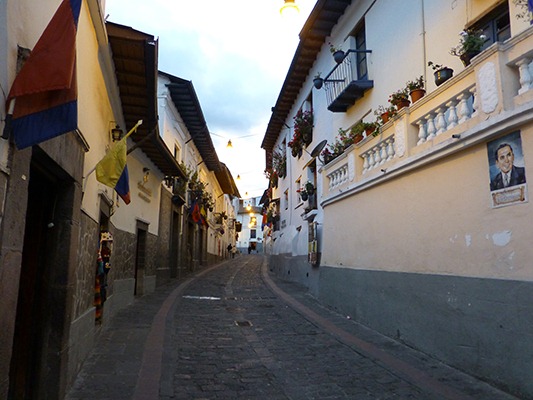
This was a really cool street in the Colonial Center, but quiet because it was a week night.

P1010419

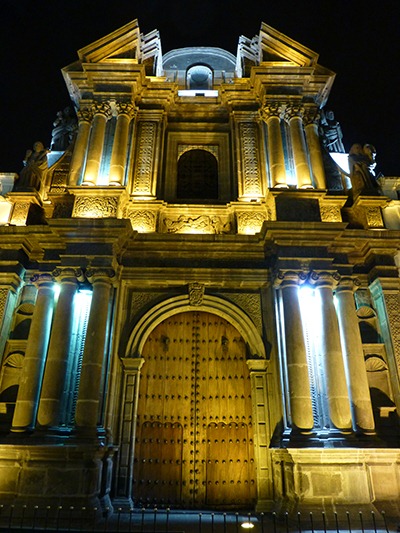
Beautifully lit Basilica in the Colonial Center

P1010427

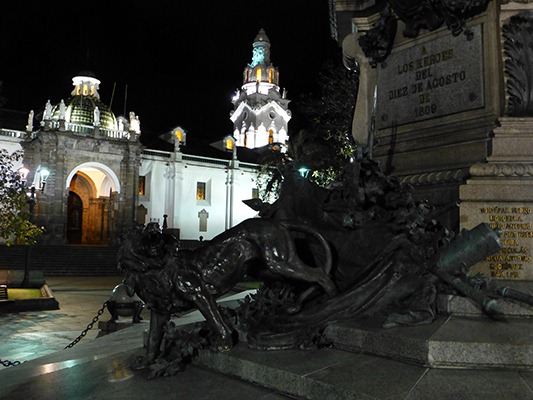
Indepence Plaza at night. I think the building on the left is where the President of Ecuador works.

P1010431

Independence Plaza centerpiece.

P1010441

Independence Plaza Centerpiece with a very old Basilica in the background.

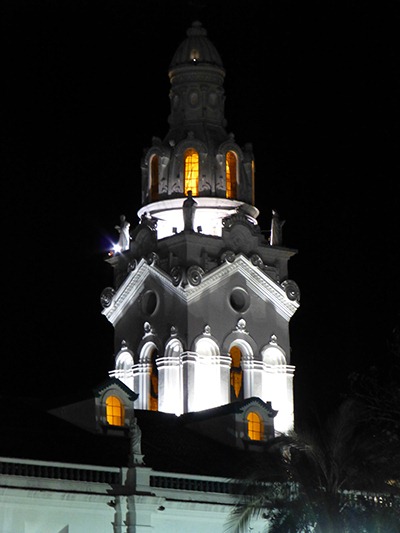
Tower of the Basilica.

During the day each one of the arch ways at ground level are filled with shoe shining station.

Another cool spot, but requiring a more difficult walk, was the Itchimbia viewpoint atop a pretty big hill. The walk up  was difficult due to the steep terrain and thinner air at the high elevation of Quito, but well worth it. At the top was what looked like a giant green house, but instead of being filled with plants it was filled with giant paintings in preparation for a showing later that evening. We checked out the paintings inside and the awesome view of the city outside while enjoying a small snack of cheese filled bread. So far tasty breads sometimes filled with cheese or other deliciousness have been a popular food in both Guatemala and Ecuador.

P1010314

Centro Cultural Itchimbia

P1010339

View from Itchimbia overlooking the Historical Center of Quito

P1010348

Giant Painting exhibit inside of the Centro Cultural

P1010359

Great view of El Panecillo from Itchimbia

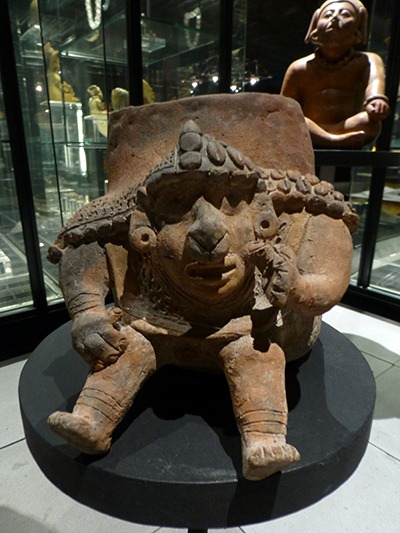
During one of the activity filled days in Quito we spent a few hours checking out the artifact and art exhibits in the Casa de la Cultura located in the La Mariscal section of the city. The best exhibit in my opinion consisted of a great collection of prehistoric artifacts belonging to the Inca and other indigenous cultures within the region. Some of the sculpture artwork was amazing. We also got to see a couple of human skulls altered by clamping them with rope and wood.

P1010282

Inca man carrying a backpack.

P1010301

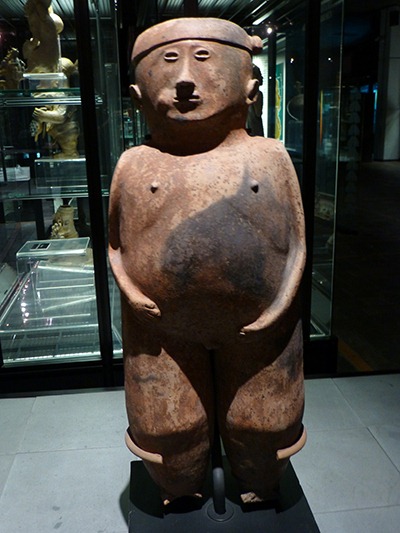
This man is clearly content with a full belly and cheek full of coca leaves. This statue is about 3 feet tall.

Awesome intricate clay sculpture. Looks like it could be from China.

P1010307

Transformed human skull

P1010308

Example of a clamp used to transform the skull.

All in all Quito was a very tourist friendly city and we definitely enjoyed our time there. Much credit for our great experience belongs to Sebas, our couchsurfing host. We’d highly recommend paying Quito a visit if you happen to be in Ecuador.

Categories: Architecture, South America, Traveling | 12 Comments

Guatemalan Must Do’s and Travels to Quetzaltenango

Since yesterday was Saturday, we had the pleasure of hanging out with our couchsurfing host Rick all day. It was a treat having him around and sharing with us the Must Do’s in Guatemala.

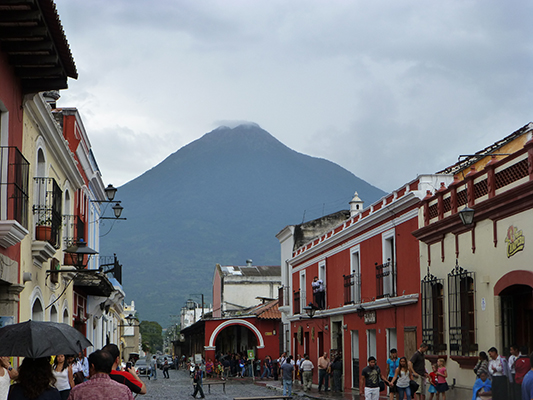
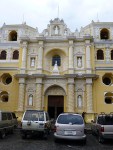
The first must do was our trip to Antigua. It’s a colonial city about an hour away from Guatemala city. It was the biggest city in central America and all of North America at one time. Today the city is a travel destination and protected to keep the colonial feel. I will admit that it was refreshing to see other people traveling in Guatemala and not have to be so concerned about having our camera out all the time.

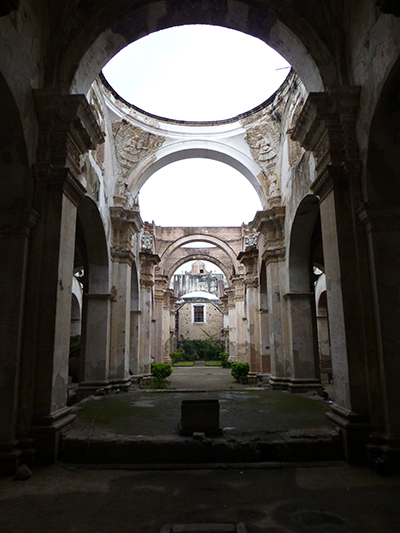
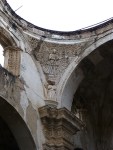
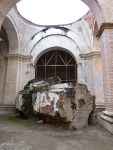
The main attraction in Antigua is the Ruins. There are a handful of old cathedrals and buildings that were built by the Spanish and then destroyed by earthquakes. Below are some pictures of the Ruins.

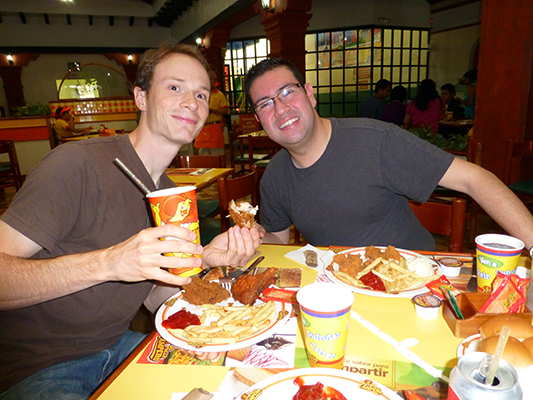
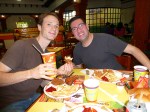
Our second must do was a fast food sit down hybrid restaurant started in Guatemala called Pollo Campero. It’s basically Guatemala’s version of KFC. It was good, but both Dave and I have weened our selves off fast food back in the states and our stomachs didn’t agree with our must do decision. Too much information? You’re welcome. Here’s a picture of Dave and Rick enjoying some yummy fried chicken.

Our third must do was dinner at El Portal del Angel. This restaurant was located at the top of a ravine and overlooked all of Guatemala city. Also, our couchsurfing host conjured up a lightning storm, or so he says, that we got to see during dinner. As part of the must do theme, Rick had ordered us some typical Guatemalan food as an appetizer. You’ll never guess…corn tortillas and re-fried beans. It was actually really tasty, but I fear we’ll be having a lot of that in the next three weeks staying with our host family.  Rick’s friend Maria came to dinner with us too, and she ordered a soda made from hibiscus, which she allowed us to try. It was good, it was smooth with a nice subtle sweetness.

Our fourth and last must do of the day was drinks back at Rick’s place. We both tried Monte Carlo cerveza (beer) and Zacapa Rum. Both of which are made in Guatemala. Both were good. The beer tasted like beer and the rum like rum. Huge surprises there…

It was a long day and night yesterday, which made waking up for our 4.5 hour bus ride to Quetzaltenango, Xela (Shay-la) for short, hard. The trip to Xela was interesting. The bus was a typical greyhound type of bus, but it stopped multiple times on our way to Xela. And every time it stopped people would board the bus and try to sell you something. It was definitely new and different.

The last thing I want to share is the temperature. It’s nice here…70’s.

Goodnight All! -Sarah

Categories: Architecture, Central America | Tags: , | 3 Comments

Guatemala City…Art, Walking, and Architecture

We’ve been in Guatemala since Wednesday (Aug. 1st) and we’ve already seen so much. The first night we were here our couchsurfing host (Ricardo, or Rick for short) invited us to an art show. A friend of his, Maria, was showing her art–which was fantastic–along with a handful of other local artists.  All of the work being presented was top-notch. The creativity, craft, and execution were very impressive. Unfortunately, the photos we took were none of those things.  Sorry.

Sarah playing art critic.

Thursday was a day filled with walking and really experiencing the streets of Guatemala City. The walking began early with  a trip to buy our bus tickets for the trip we will be taking in a couple of days from Guatemala City to Quetzaltenango–the town that we will be spending three weeks in studying Spanish. Our ever helpful couchsurfing host, Rick, offered to drop us off near the bus station just as he was heading off to work. It was a very last-minute ordeal, so we had to throw our stuff together and hadn’t yet eaten breakfast. As he was driving us to the station he was giving directions on how to get back on our own; telling us street names, directions, bus numbers and advice on how to stay safe–like don’t flash your camera around.

The bus station was very easy to find after he dropped us off. Communicating with the staff at the station with our broken Spanish went surprisingly well. Did I mention that the people here have been really polite and helpful thus far. The tickets cost 57 Quetzales (about $7.27) per person, for about a 4.5 hour bus ride. Not bad.

The weather here is pretty mild, mid 70’s or so, so we decided to hoof it all the way back from the bus station to the apartment we’re staying in. This was partly because we didn’t want to cram onto the buses that were filled with morning commuters. Also, we’ve read and been warned by Rick that traveling by bus here is not recommended for tourists.  The walk back let us experience the city in a little more up close and personal way. There were tons of people out and about, most likely on their way to work. We passed several areas with street vendors, none of which hassled us–as we’ve experienced in other international cities. It was nice being able to walk around and observe without being approached. Some of the city is easily walk-able, with sidewalks and people bridges, while other sections less so.  In many areas there are no sidewalks or stop lights to allow pedestrians to cross. You see crosswalks but they aren’t typically recognized by drivers. It’s not uncommon to get a toot of the horn encouraging you to hurry across the street. The pace of vehicle traffic is pretty fast, so crossing the street requires your full attention and some sprinting at times. The walk back to the apartment took, in total, about an hour and a half.

Rick’s place has a doorman that controls who enters the building. The doorman that day was different from the one we’d met the day before. Because are Spanish is terrible, we weren’t able to effectively communicate with him so that he would let us in. Fortunately, we found a pay phone and contacted Rick so that he could straighten things out. Once we got into the apartment we ate lunch, then I napped while Sarah researched places to visit during the last half of the day. Then we hit the streets once again.

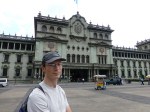
We headed to an area of the city supposedly known as the ‘Old City’. By ‘old’ I assumed several-hundred-years-ago-Spain-colonial-days old. Not the case. Most of the buildings we saw were built in the 1930’s and 40’s. Nonetheless, they were beautiful buildings. Here are some of the pictures we took of the National Palace of Culture and the Ministry of the Interior. Click on any image to view them in ‘Gallery’ mode.

After a long, yet successful, day of walking around the city, we made sure to catch the bus in time to get home before dark. The reason being that we were given warnings to be off of the streets by dark. It’s hard to know if the advice we’ve been given is founded or just people being overly cautious. Whatever the reason, we’ve decide it best to follow the advice. I mentioned early that bus travel was advised against, yet I just explained that we caught a bus home. There is one bus line in the city that’s considered safe for tourists–the green line. The construction of that particular line, and all of its stations, was completed about 5 years ago (approximately 2007). All of the stations are guarded by transit police and the line is considered safe for travel by tourists. It certainly felt that way to us. Here’s a shot of the bus. It’s pretty modern looking.

The safe bus (the green line)

On Saturday Rick is planning to take us to Antigua. A guided tour by a local sounds pretty cool. We’re looking forward to it.

– Dave

Categories: Architecture, Central America, Uncategorized | Tags: , | 3 Comments

Blog at WordPress.com.